

Rethinking Longevity: A Critique of Precision Medicine and the Case for Embodied, Relational Approaches
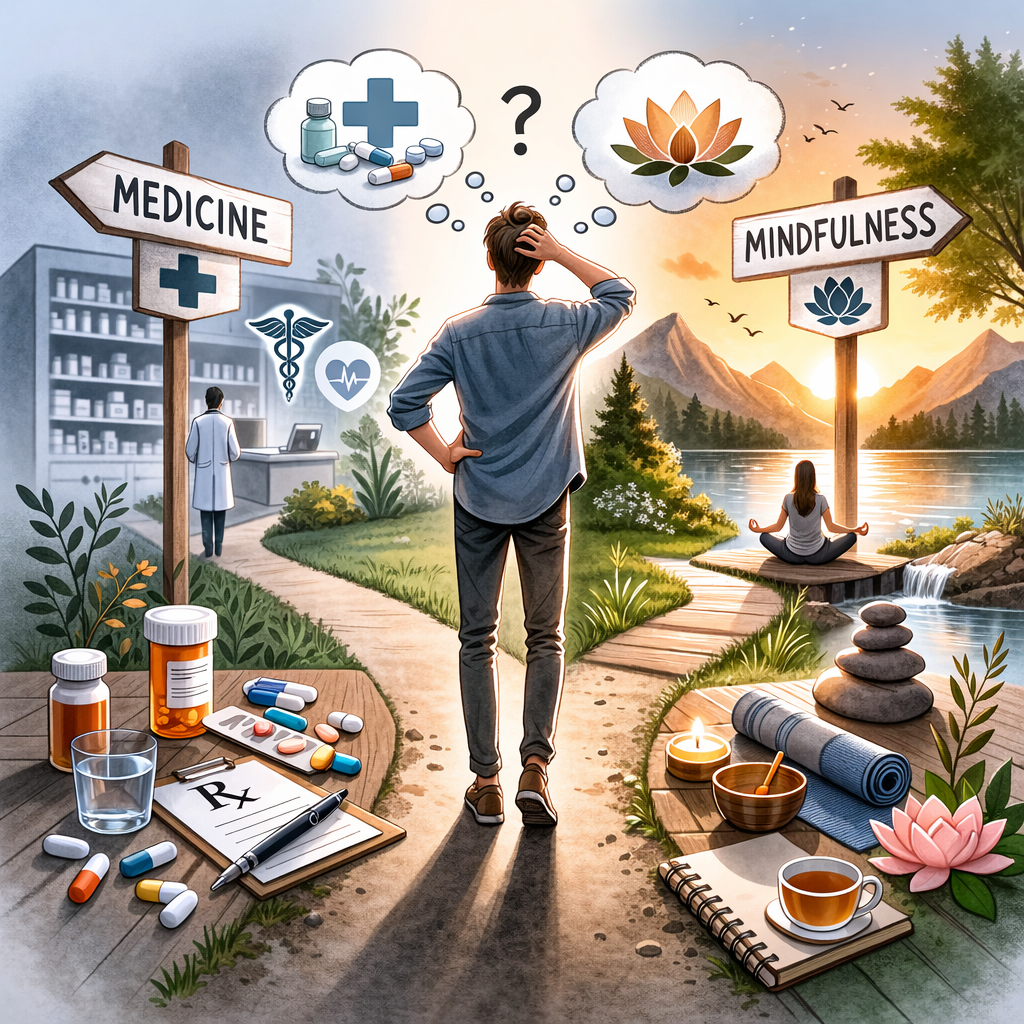
The growing field of precision medicine has been widely promoted as a transformative
approach to extending human lifespan and optimizing health. By leveraging genomic data,
biomarkers, and individualized interventions, it promises to tailor healthcare to the unique
biological profile of each individual. Certain schools of thought emphasize its potential to
redefine aging as a modifiable and controllable process. However, this perspective rests on a
series of assumptions that warrant critical examination. In this article I put forward the
argument that precision medicine, while scientifically sophisticated, risks reducing health to a
technical problem and neglecting the embodied, relational, and ecological dimensions of
human wellbeing. Drawing on critiques from systems biology and psychotherapy, and
exploring alternatives such as Hakomi-informed therapy, it proposes a more integrative
understanding of longevity.
The Reductionism of Precision Medicine
Precision medicine is grounded in a reductionist framework that conceptualizes the body as a
system of measurable variables that include genes, proteins, and metabolic pathways and that
these can be optimized through targeted interventions. While this approach has yielded
important advances, it tends to overemphasize biological determinism. Research indicates
that the majority of chronic diseases are influenced more by environmental and lifestyle
factors than by genetic predisposition, with estimates suggesting that up to 70–90% of disease
risk may be non-genomic (Rappaport, 2016).
This raises questions about whether increasingly granular biological data necessarily
translates into better health outcomes. The rapid rise in conditions such as obesity, diabetes,
and cardiovascular disease over recent decades cannot be explained by genetic change alone,
but rather by shifts in diet, environment, and social structures (Rappaport, 2016). Precision
medicine, in focusing on individualized biological interventions, may therefore obscure
broader systemic determinants of health.
The Illusion of Control Over Aging
A central promise of longevity science is that aging can be slowed, managed, or even
reversed through technological intervention. This reflects an implicit belief that biological
processes can be engineered with sufficient precision. However, aging is a complex, emergent phenomenon shaped by interacting systems, trade-offs, and evolutionary constraints.
Systems biology suggests that interventions targeting specific pathways may have unintended
consequences elsewhere due to the interconnected nature of physiological systems
(Kauffman, 1995). Efforts to optimise one biomarker may destabilise others, producing
diminishing returns or unforeseen risks. From this perspective, the aspiration to control aging
resembles an “illusion of control,” rooted in mechanistic thinking rather than ecological
understanding.
Neglecting the Psychosocial and Relational Dimensions of
Health
Another limitation of precision medicine is its relative neglect of psychosocial factors. Health
is not solely a biological state but is deeply influenced by emotional, relational, and
experiential dimensions. Psychotherapy research consistently demonstrates that the quality of
the therapeutic relationship, often termed the “therapeutic alliance”, is one of the strongest
predictors of positive outcomes, regardless of the specific modality used (Wampold and Imel,
2015).
This suggests that healing cannot be fully understood through biological metrics alone.
Experiences such as trauma, attachment patterns, and chronic stress are embodied and can
manifest physiologically over time. A model of health that excludes these dimensions risks
being incomplete.
Hakomi-Informed Therapy and the Embodied Alternative
Hakomi therapy, developed by Ron Kurtz, offers a contrasting paradigm. Rooted in
mindfulness and somatic awareness, Hakomi emphasises the body as a repository of implicit
memory and unconscious beliefs. Rather than seeking to “fix” the organism through external
intervention, it facilitates awareness of internal experience within a context of “loving
presence” (Kurtz, 1990).
Hakomi operates on several key principles:
Mindfulness: cultivating non-judgmental awareness of present experience.
Non-violence: allowing change to emerge organically rather than being imposed.
Unity: recognising the interconnectedness of mind, body, and environment.
From this perspective, symptoms are not merely dysfunctions to be eliminated but
expressions of deeper adaptive patterns. Healing involves integrating these patterns rather
than overriding them.
Health as an Emergent, Self-Organising Process
Naturalistic and somatic approaches share the assumption that health is self-organising. The
body possesses intrinsic regulatory mechanisms that maintain balance, often referred to as
homeostasis or allostasis. Excessive intervention may disrupt these processes rather than
support them.
This view aligns with ecological models of health, which emphasise the interaction between
individuals and their environments. Rather than seeking to maximise lifespan through
technological means, the goal becomes fostering conditions in which the organism can
regulate itself effectively. This includes:
supportive relationships
meaningful activity
alignment with physiological rhythms
reduced exposure to chronic stressors
In this framework, longevity is not engineered but emerges as a by-product of coherence and
balance.
Critical Considerations and Limitations
It is important to acknowledge that alternative approaches are not without limitations. Some
forms of “natural” or holistic medicine lack rigorous empirical support and may rely on
untested assumptions. Rejecting precision medicine entirely would overlook its genuine
contributions, particularly in areas such as oncology and rare genetic disorders.
The critique presented here is therefore not anti-scientific but anti-reductionist. It calls for a
broader epistemology that integrates biological, psychological, and social dimensions rather
than privileging one at the expense of others.
Conclusion
Precision medicine represents a powerful but partial approach to health and longevity. Its
focus on biological optimisation reflects a broader cultural orientation toward control,
measurement, and technological intervention. However, aging and wellbeing are not merely
technical challenges but complex, lived processes shaped by embodiment, relationships, and
environment.
Hakomi-informed therapy and related somatic approaches highlight the importance of
awareness, presence, and integration in the healing process. They suggest that longevity may
be less about extending life through increasingly precise interventions and more about
cultivating alignment within the organism and its context.
A truly comprehensive model of health will therefore require moving beyond reductionism
toward an integrative framework that honours both scientific insight and embodied
experience.
References
Kauffman, S. (1995) At Home in the Universe: The Search for Laws of Self-Organization and
Complexity. New York: Oxford University Press.
Kurtz, R. (1990) Body-Centered Psychotherapy: The Hakomi Method. Mendocino, CA:
LifeRhythm.
Rappaport, S.M. (2016) ‘Genetic factors are not the major causes of chronic diseases’, PLoS
ONE, 11(4), e0154387.
Wampold, B.E. and Imel, Z.E. (2015) The Great Psychotherapy Debate: The Evidence for
What Makes Psychotherapy Work. 2nd edn. New York: Routledge.